

Therapy Resources for your Journey
The Red Fern Library
Recommended Reads & Tools


Weclome to the Red Fern Library
A thoughtful collection of books, tools, and resources for the work of understanding yourself.
Healing rarely happens in isolation. Many people find that learning, reflection, and supportive tools can deepen the work we do together in therapy and offer new ways of understanding their experiences.
The Red Fern Library is a curated collection of books and practical resources that reflect themes often explored in this work - trauma, relationships, nervous system regulation, and meaning-making after hardship.
You’re welcome to explore what resonates, skip what doesn’t, and come back whenever curiosity strikes.
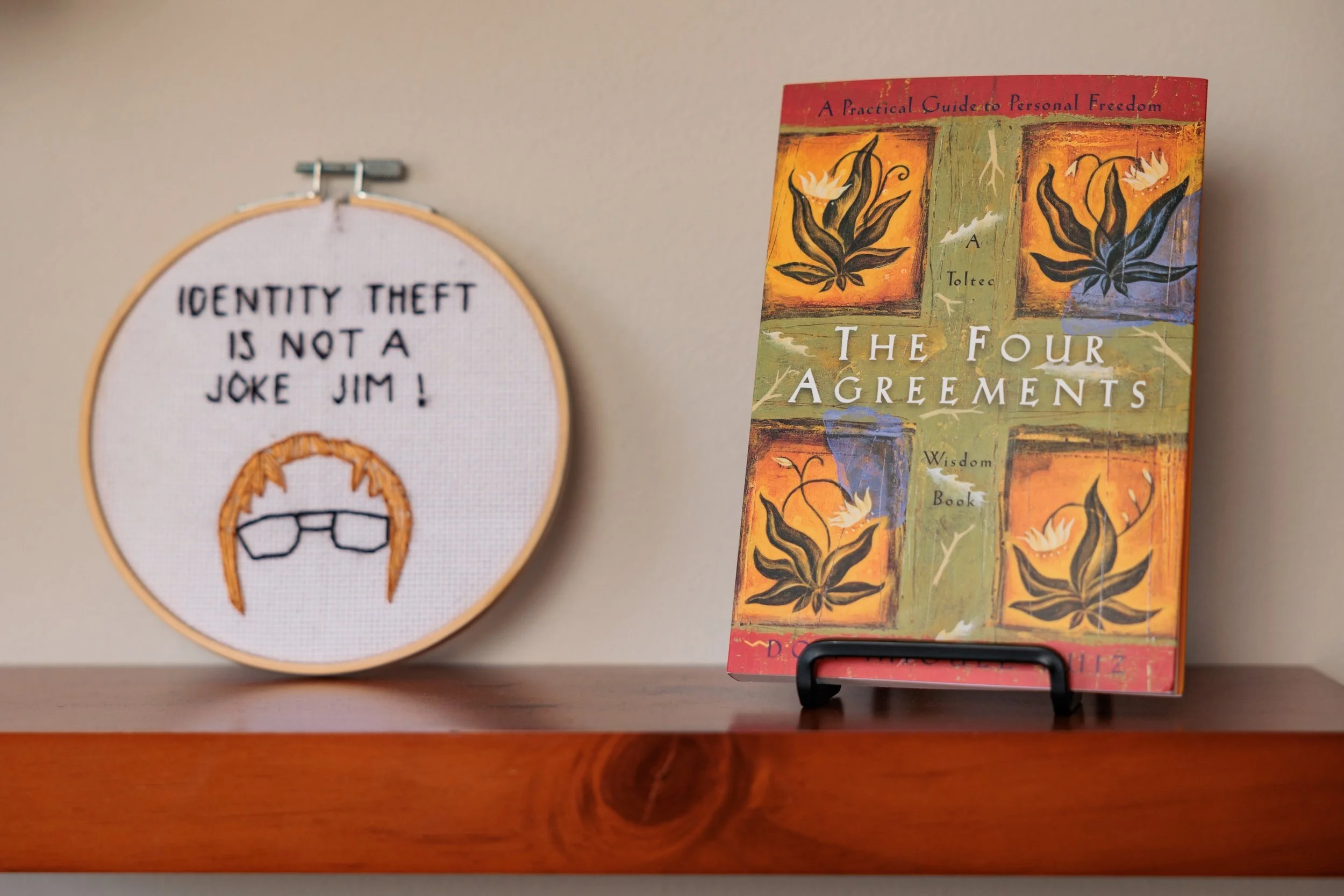

Consider this a small corner of the bookshelf.
These books explore the patterns many clients begin to notice as they make sense of their experiences and reconnect with themselves.
Whether you prefer turning pages, highlighting passages, or listening to an audiobook during a walk, these resources offer thoughtful places to begin - small companions for the deeper work of reflection and growth.
Reading & Reflection:



Trauma, Parts Work, & the Nervous System



Understanding how trauma shapes the body, memory, and nervous system - and why healing often begins with slowing down, noticing patterns, and approaching our experiences with compassion.

Attachment, Relationships, & Self-Trust



For those moments when you start wondering, “Why do relationships feel this way for me?” These books explore attachment patterns, relational dynamics, and the slow rebuilding of self-trust in both family and romantic relationships.

High-Control Relationships & Systems



Resources for understanding environments where control, manipulation, or rigid power dynamics made it difficult to trust your own voice. These books help unpack patterns like gaslighting, emotional volatility, and high-control belief systems.

Self, Body, & Identity
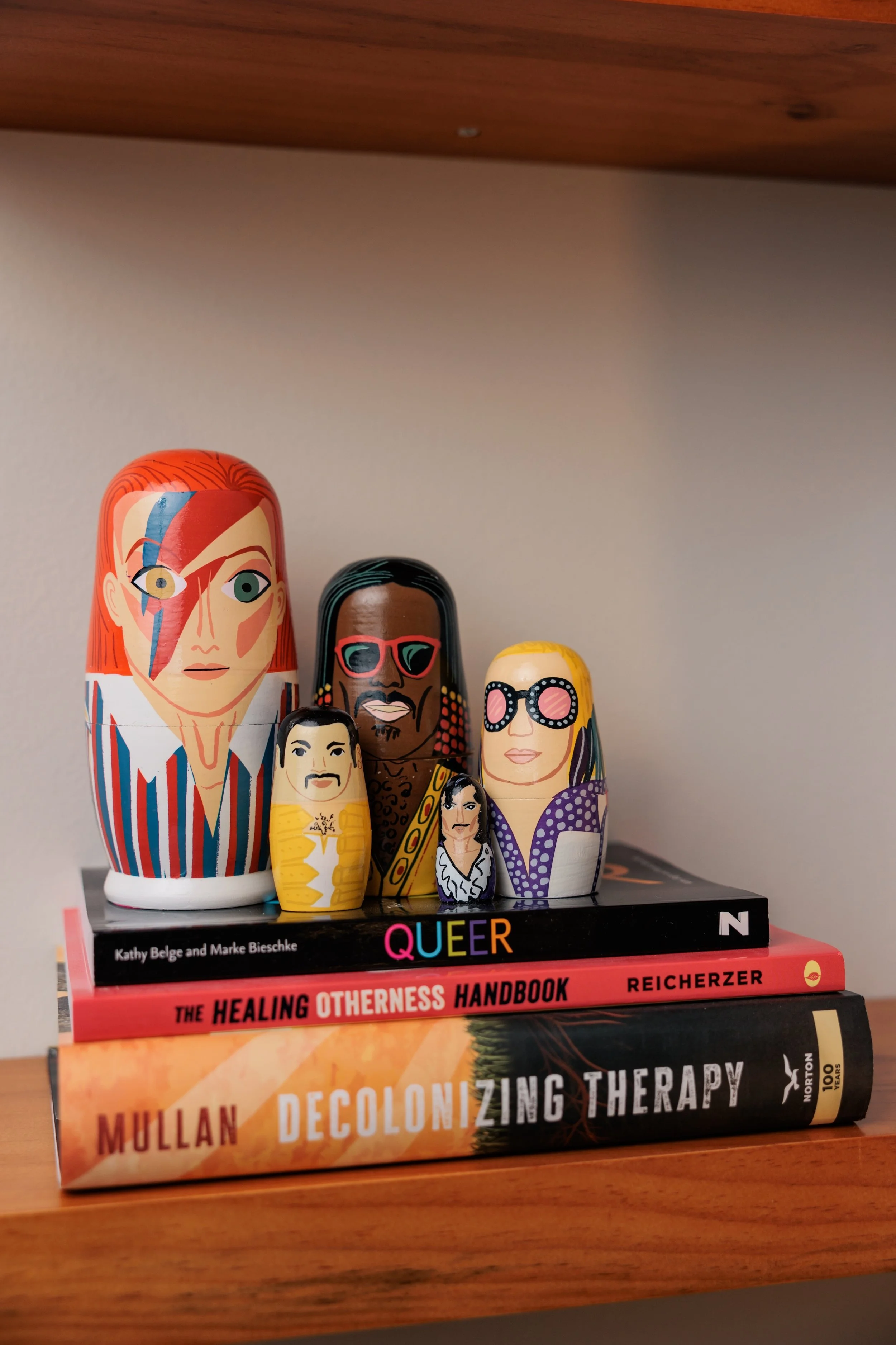


Books that explore the relationship between body awareness, identity, sexuality, culture, and self-compassion - especially for those learning to reconnect with themselves and their inner experience in new ways.

Grief, Meaning, & Spiritual Reflection



Books that explore how people make sense of loss, identity, and life transitions - including the deeper questions about meaning, spirituality, and who we become after difficult experiences.

Tools for Regulation & Support


Sometimes it helps to have something simple to reach for when things feel overwhelming or hard to settle.
Some of these tools are used in the therapy room, and many clients end up liking them enough to keep something similar nearby between sessions. Everyone’s nervous system responds a little differently, so it can be helpful to experiment and see what works best for you.
Examples include:
squishy or textured fidget tools (like Nee-Doh cubes) or magnetic fidget balls — small objects that give your hands something to do when your mind feels busy
bilateral stimulation (BLS) music playlists — many people like to listen to these while walking, journaling, or winding down at the end of the day
handheld EMDR tappers that create a gentle alternating rhythm, similar to what we might use in session
weighted blankets or lap pillows that provide steady pressure and can feel surprisingly calming for the body
holding something cold, such as an ice pack or cooling stone, which can quickly bring your attention back to the present moment

Local Support & Referrals


Healing often involves more than one form of support.
Alongside therapy, many people benefit from resources that care for the whole person - body, relationships, community, and sometimes even the deeper life transitions we move through.
Because each person’s needs are unique, referrals are typically individualized and discussed together during sessions when appropriate. When helpful, I may recommend trusted providers or services that support healing in different ways — from medical or psychiatric care to couples counseling, trauma-informed movement or body-based practices, end-of-life or grief support, and other forms of holistic care.are, choice, and respect for your pace.
If something here sparks curiosity or recognition, feel free to bring it into session.
These resources can be helpful starting points, but deeper change often unfolds through the process we share in therapy.